Skip bin companies
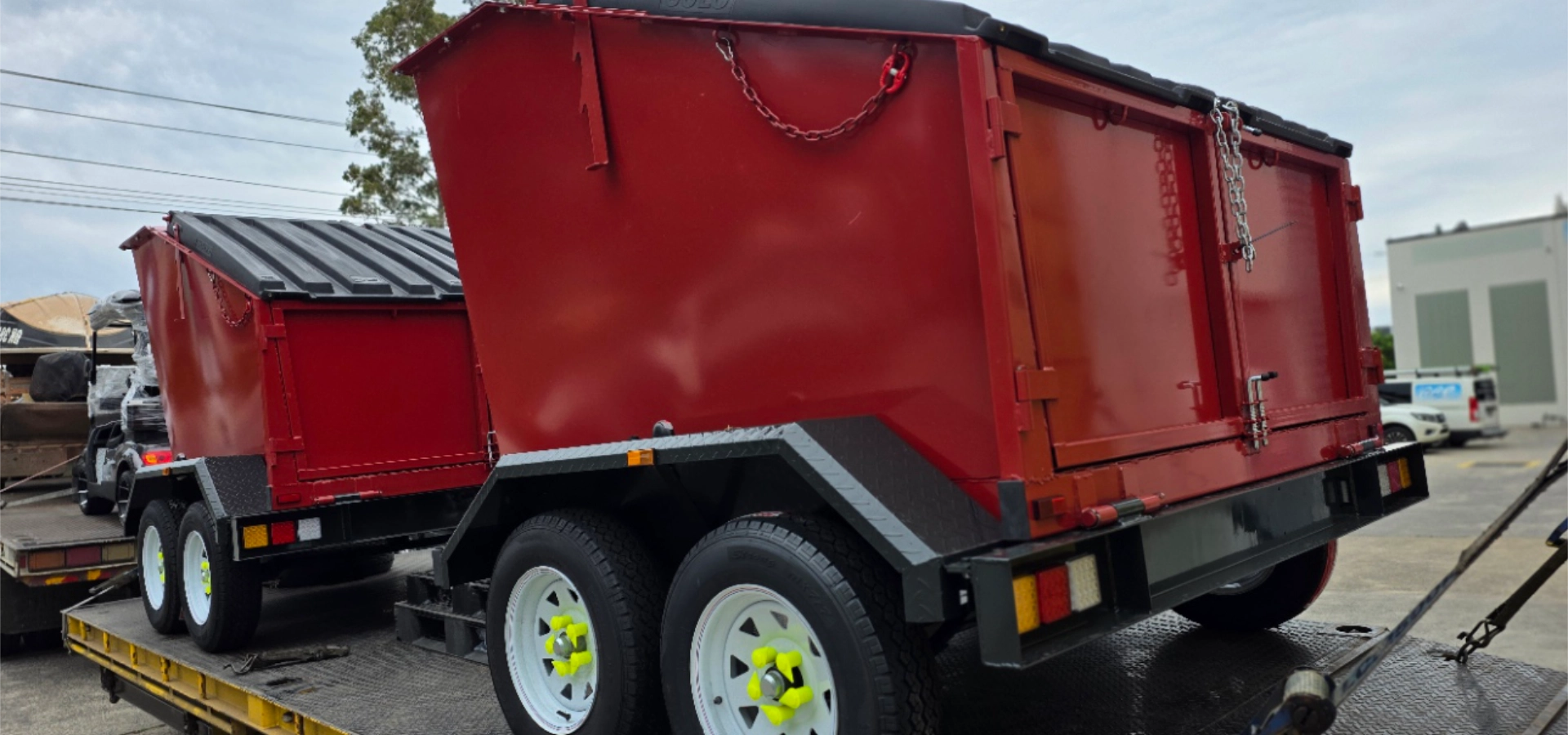
Add a trailer-based option for smaller jobs, tighter access and flexible deployment.
Mobile Skip Bin Business
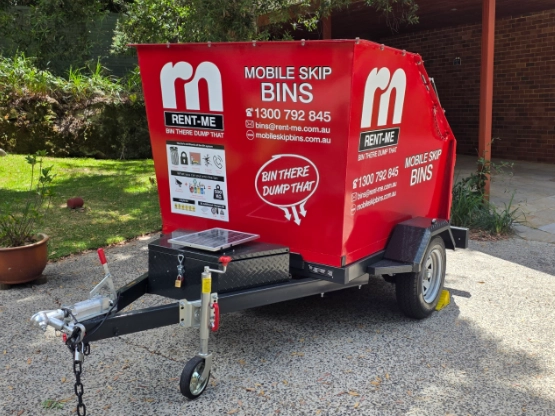
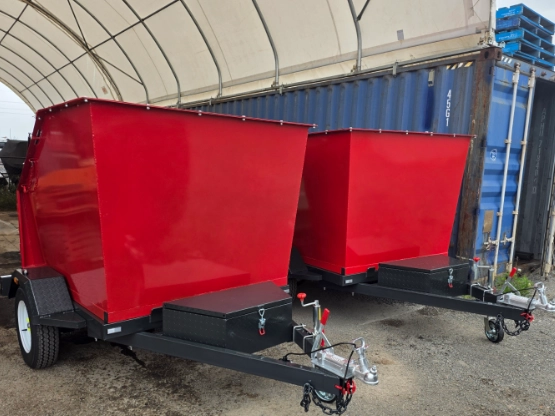
Mobile Skip Bins give waste operators, contractors and serious new entrants a practical way to service homes, trades and commercial customers using trailer-mounted bins and suitable towing vehicles.
A commercial service model
Mobile Skip Bins are particularly well suited to operators who already understand waste disposal, customer service, towing, scheduling and local disposal facilities.
The trailer format can help a business service locations where a conventional skip truck may be less practical, while rear barn doors allow customers to load many waste types from ground level.
The model may also suit serious new entrants who are prepared to research their market, understand local requirements and build proper operating, insurance and disposal processes before accepting customers.
Who it may suit
The strongest fit is generally an operator with vehicles, customers, industry knowledge or an existing service that can benefit from a mobile waste solution.
Add a trailer-based option for smaller jobs, tighter access and flexible deployment.
Expand the range of collection and temporary waste services offered to customers.
Give customers time to load their own waste while keeping collection under your control.
Use bins across suitable projects or add waste removal as a service for clients.
Support green waste, soil, renovation and property clean-up work within permitted limits.
Add a complementary hire category for customers already renting worksite equipment.
Support real estate, strata, maintenance and deceased-estate clean-up projects.
Enter the market with proper research, suitable vehicles, insurance and disposal arrangements.
Use mobile bins for suitable maintenance, clean-up and project applications.
Why operators add mobile bins
Mobile Skip Bins can complement an existing fleet rather than replace every other waste service or piece of equipment.
The value comes from placing the right equipment on the right job and improving how efficiently your vehicles, bins and staff are used.
Take bookings that may not require or suit a conventional skip-bin truck.
Allocate different bin sizes and delivery methods according to each job.
Position bins in locations where vehicle access and local rules allow.
Develop ongoing relationships with trades, property managers and local businesses.
Grow the number of bins in line with proven demand rather than assumptions.
Before buying equipment
A sound mobile skip operation begins with local research. Disposal fees, travel time, competition, towing capacity and customer demand can have a significant effect on each booking.
Local demand
Identify the residential, trade, construction, landscaping, property and commercial work available in your service area.
Disposal costs
Speak with local transfer stations, recycling facilities and disposal sites before setting customer rates.
Operating capacity
Consider your towing vehicles, drivers, storage, scheduling and ability to respond when bins are ready for collection.
Plan the operation
A professional service requires more than purchasing equipment. Before launching or expanding, document how bookings, waste acceptance, delivery, collection, payment and customer issues will be handled.
A practical launch process
The sequence below can also be used by established operators introducing Mobile Skip Bins into a new service area.
Map customers, competitors, disposal facilities, travel times and local requirements.
Include equipment, finance, disposal, fuel, labour, insurance, maintenance and administration.
Choose bin size and options based on towing setup, payload needs and intended customers.
Prepare waste restrictions, terms, safety procedures, booking questions and customer instructions.
Create professional signage, a clear website, business listings and consistent contact details.
Introduce the service to builders, landscapers, property managers, trades and local businesses.
Begin with a manageable service radius and refine pricing and scheduling using real job data.
Add bins, vehicles or service areas after utilisation and customer demand justify expansion.
Winning better customers
Commercial customers often value clear communication, dependable delivery and prompt collection more than the cheapest advertised rate.
A well-run operation can stand out by making the entire booking and waste process simple for the customer.
Ask the right questions about access, waste type, volume, location and timing.
Use realistic booking windows and contact customers early if circumstances change.
Provide simple written guidance about prohibited waste, weight and loading limits.
Track bookings, hire periods, collections, payments and customer communication.
Provide consistent service to trades, strata, real estate and commercial customers.
Why choose our Mobile Skip Bins
Developed around Australian operators, vehicles and market requirements.
Hundreds of Mobile Skip Bins are operating in businesses across Australia.
Select a size and configuration based on towing, payload and customer needs.
New equipment is supplied with clear manufacturer-backed warranty terms.
Access to common replacement items helps reduce unnecessary downtime.
Product advice and assistance remain available after delivery.
Frequently asked questions
These answers are general information only. Business, legal, insurance, towing, environmental and local council requirements should be checked for your own operation.
Discuss your operation
Tell us about your existing business, location, towing setup, expected customers and the number of bins you are considering. We will send the relevant product and purchase information separately.